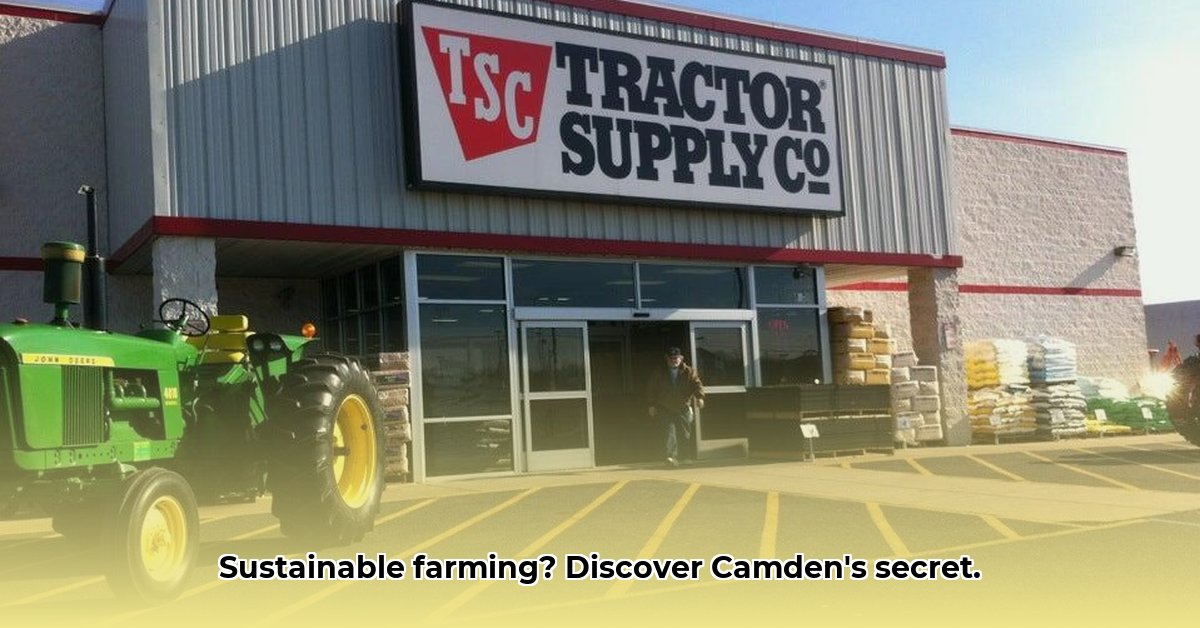
Tractor Supply (TSC) in Camden, Delaware, isn't just a retailer; it's a potential linchpin in the region's sustainable agriculture efforts. While its role is largely indirect, the store's product offerings and rural reach present a significant opportunity to foster environmentally responsible farming practices. This article explores TSC's current impact, identifies areas for improvement, and proposes actionable steps for stakeholders to collectively drive positive change.
Tractor Supply's Product Range and Rural Reach
TSC's Camden location, like its numerous counterparts, offers a broad array of products relevant to sustainable agriculture. Beyond tractors and heavy machinery, the shelves are stocked with organic seeds, fertilizers designed to improve soil health, and livestock feed formulated for environmentally conscious animal husbandry. Water-efficient irrigation tools and equipment are also readily available, reflecting a growing awareness of water conservation within the agricultural sector. This broad selection provides farmers with a convenient one-stop-shop, potentially influencing their purchasing decisions towards sustainable alternatives. But how deep does this influence actually run?
The Indirect Impact: A Promising, Yet Underdeveloped, Role
TSC's impact on sustainable farming is predominantly indirect. The store supplies the tools, but the farmers ultimately determine how these tools are employed in their practices. While this indirect support is undeniably important, it lacks the direct engagement and consistent support necessary to truly maximize its effect. This gap highlights a significant opportunity for TSC to become a more active player in promoting sustainable agricultural techniques. A crucial limitation is the lack of publicly available data directly linking TSC purchases to specific sustainable farming outcomes. This data gap severely impedes a comprehensive evaluation of the store's contribution to sustainable practices.
Narrative Elements: Farmers' Stories (Further Research Needed)
(This section requires further research to gather compelling real-world examples of farmers using TSC products for sustainable practices.) Anecdotes from local Delaware farmers about their experiences using TSC products for sustainable agriculture would provide powerful, relatable context to this analysis. For example, a farmer successfully employing TSC's water-efficient irrigation system could vividly illustrate the practical benefits of TSC's product offerings.
Analysis and Actionable Steps
The analysis reveals a clear path for TSC and its stakeholders to significantly enhance the store's contribution to sustainable agriculture. Actions must be taken to close the data gap and actively engage farmers in adopting sustainable agricultural techniques. This requires a multifaceted approach.
1. Data-Driven Insights: TSC should conduct robust customer surveys and analyze its supply chain's environmental impact. This involves tracking transportation emissions and assessing the sourcing of fertilizers and other materials. Transparency is key. Measuring the success of the surveys could involve tracking increases in the number of farmers adopting sustainable practices after the surveys are conducted.
2. Strategic Partnerships: Collaborations with environmental groups and agricultural organizations are essential. These partnerships would provide valuable expertise and support in data collection, analysis, and the development of targeted educational programs for farmers. The success of these partnerships could be evaluated based on the effectiveness of the farmer training programs.
3. Proactive Engagement: TSC should actively engage with farmers—hosting workshops, offering online resources, and promoting sustainable practices. This proactive approach would empower farmers to adopt environmentally friendly methods. Successful implementation could be measured by increased participation in workshops and adoption of recommended practices.
Conclusion: A Call to Action for a Greener Future
Tractor Supply in Camden, Delaware, holds considerable potential to significantly advance sustainable agriculture in the region. However, realizing this potential requires a concerted effort from all stakeholders. By prioritizing data collection, fostering transparency, and actively engaging with farmers and environmental groups, TSC can elevate its role as a catalyst for positive change in the agricultural landscape. This collaborative endeavor is not just about business; it's about securing a sustainable future for Delaware's farmers and the environment.